 Image 1 of 1
Symbols give depth to a story, tone shapes its voice, and mood invites the reader to feel its world.
──●◎●──
Symbols give depth to a story, tone shapes its voice, and mood invites the reader to feel its world. ──●◎●──
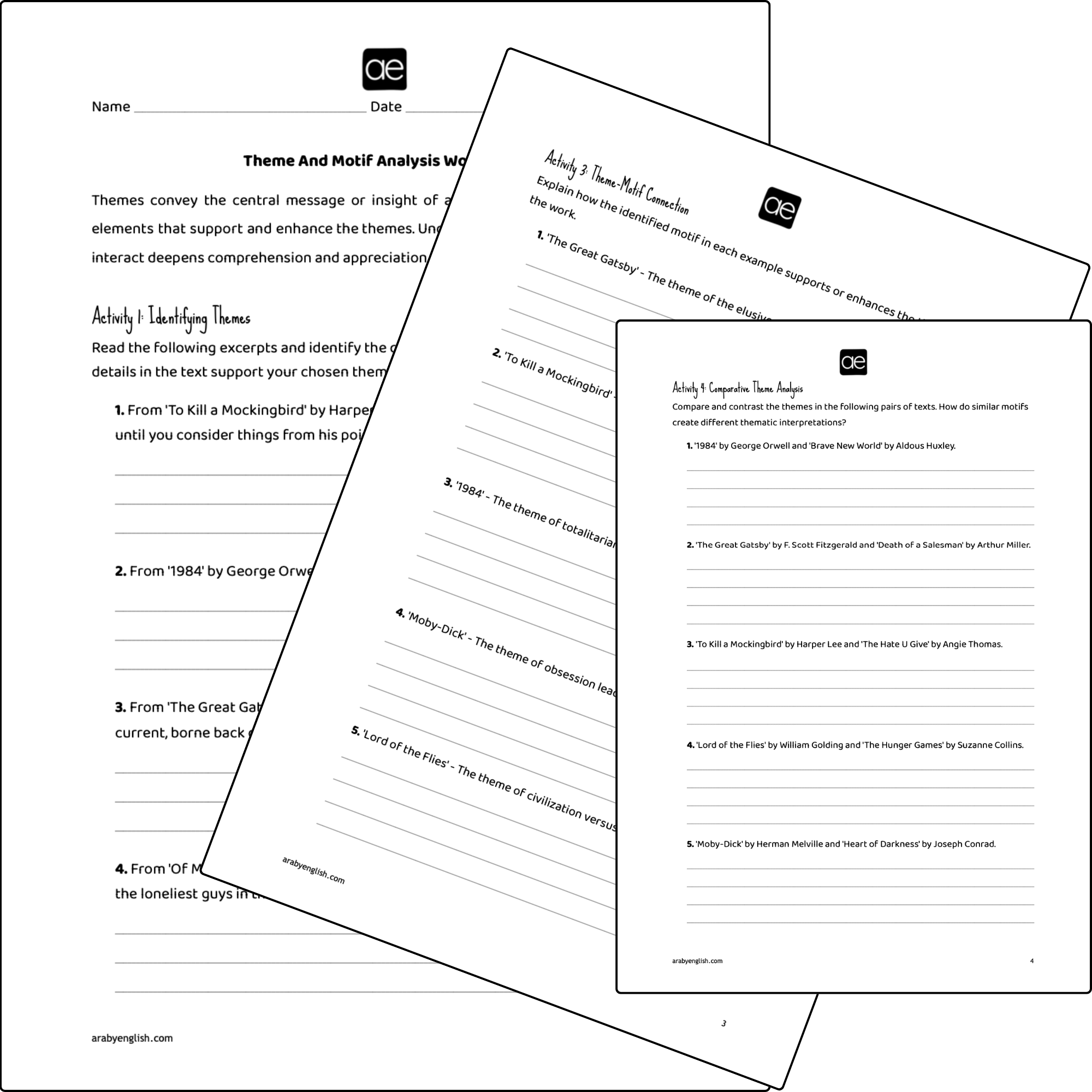
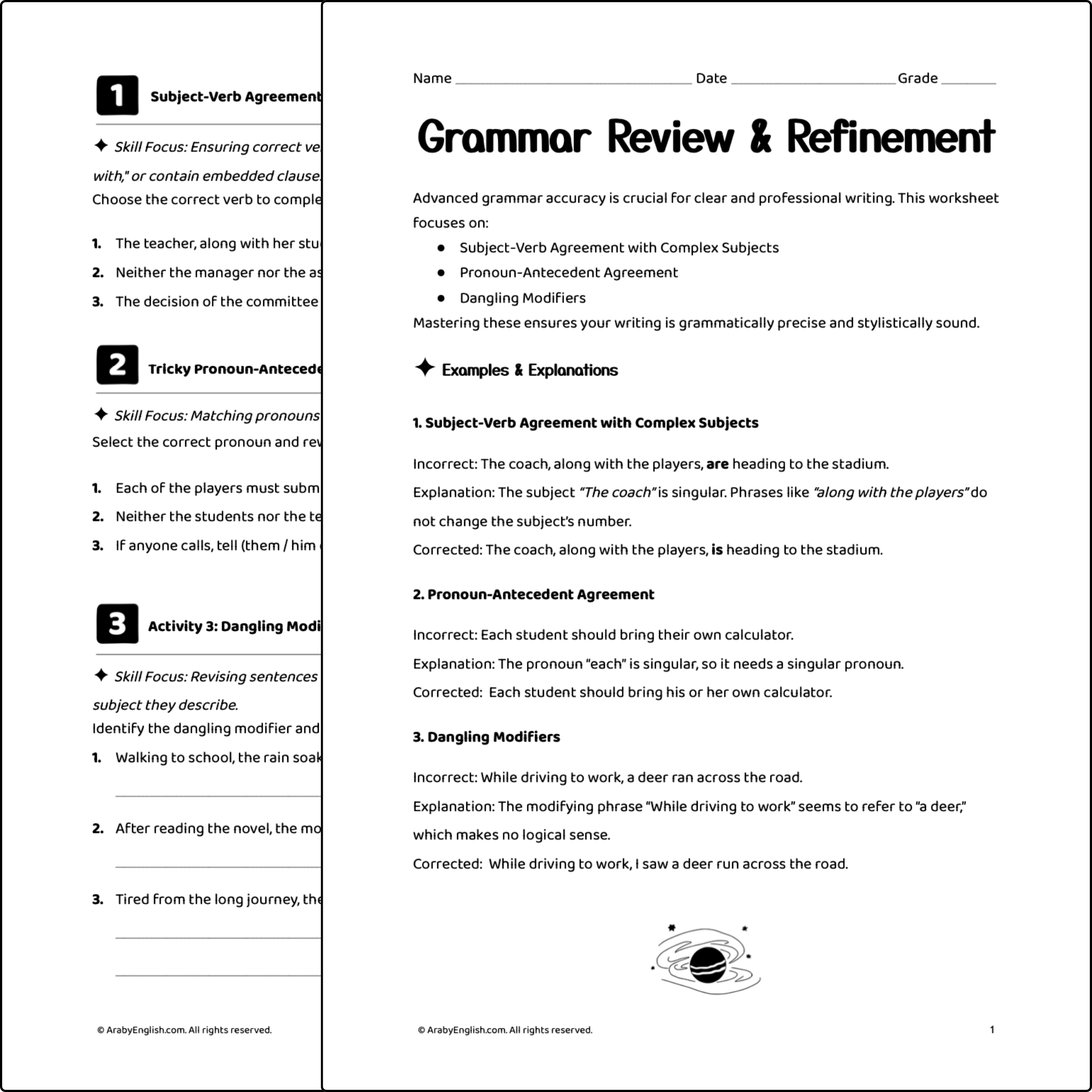
This four-page worksheet is designed to help students analyze essential literary elements through clear instruction and guided practice.
It begins with concise definitions of symbolism (ideas represented by objects or actions), tone (the author’s attitude), and mood (the emotional atmosphere of a text). Students then complete four targeted activities that require identifying symbols, analyzing tone, and describing mood using specific textual evidence.
The worksheet concludes with a synthesis task in which students explain how symbolism, tone, and mood work together within a single passage, reinforcing deeper comprehension. A complete answer key is included to support instruction and assessment.
Additional Info:
Difficulty Level: Difficult
Grade Level: 11
CEFR (Common European Framework of Reference for Languages): C1/C2 (Advanced/Proficient)
Skill Focus: Identifying Symbolism, Tone, and Mood in Literature
CCSS Standard: RL.11-12.4 - Determine the meaning of words and phrases as they are used in a text, including figurative and connotative meanings; analyze the impact of specific word choices on meaning and tone, including words with multiple meanings or language that is particularly fresh, engaging, or beautiful.