 Image 1 of 2
 Image 2 of 2
Spot the bias before it spots you — train your inner fact-check ninja!
●❍°•°•°○°•°•°❍●
Spot the bias before it spots you — train your inner fact-check ninja! ●❍°•°•°○°•°•°❍●
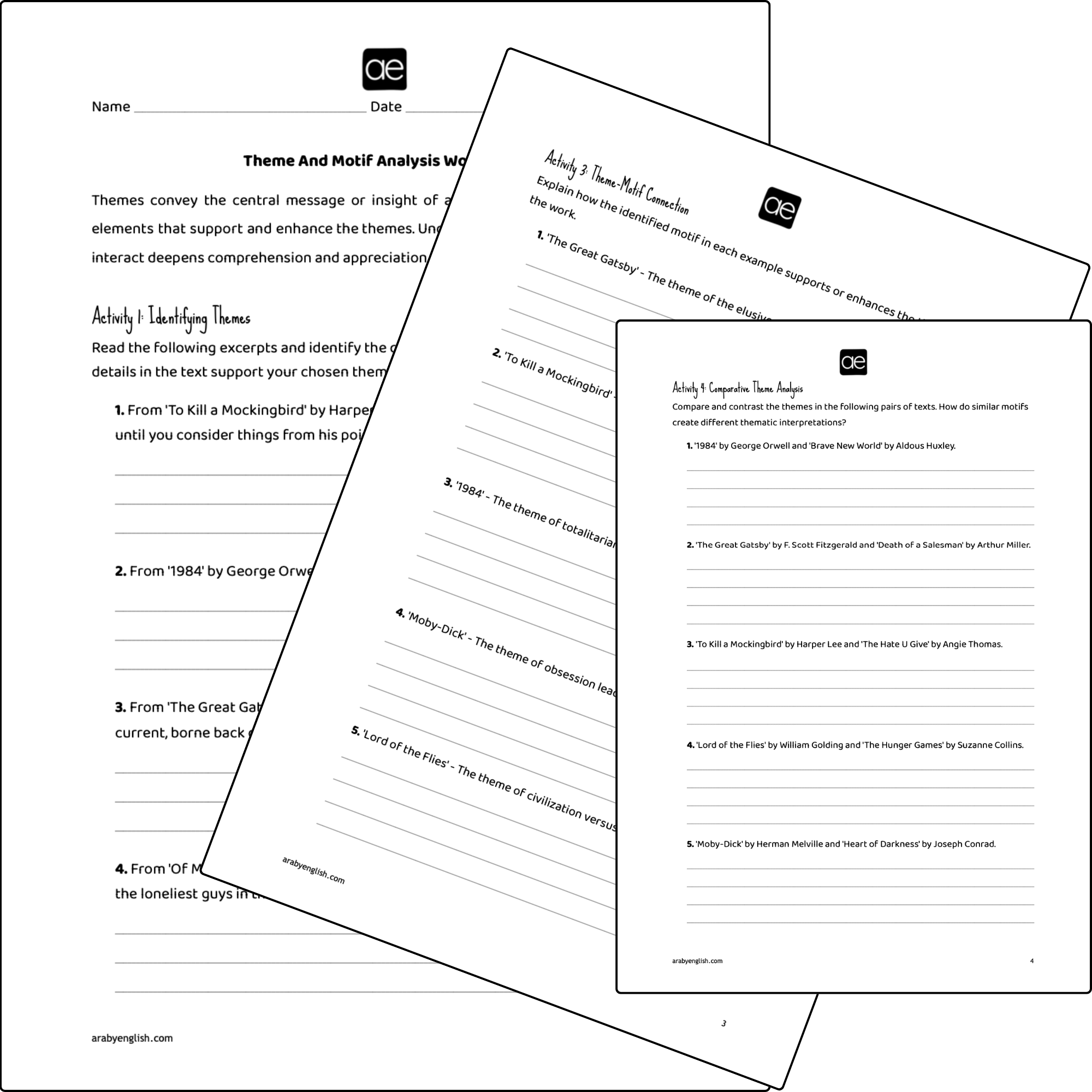
This worksheet develops students’ critical evaluation skills by training them to question credibility, validity, and bias in information. Through three structured activities, it focuses on:
Source Credibility: Comparing peer-reviewed academic journals with corporate blogs to assess expertise, authority, and potential conflicts of interest.
Language & Framing: Examining how loaded words in news reports (e.g., “peaceful” vs. “aggressive”) shape and manipulate readers’ perceptions of the same event.
Academic Logic: Identifying confirmation bias and oversimplified conclusions in policy arguments, emphasizing the need for independent, balanced evidence to support claims.
Additional Info:
Grade Level: 11–12
Difficulty Level: Difficult
Standards:
CCSS RI.11-12.6: Determine an author’s point of view or purpose in a text in which the rhetoric is particularly effective.
CCSS RI.11-12.8: Delineate and evaluate the reasoning and evidence in texts.
CEFR C1: Can understand implicit meaning and recognize a wide range of biases and attitudes in complex texts, including technical and academic writing.